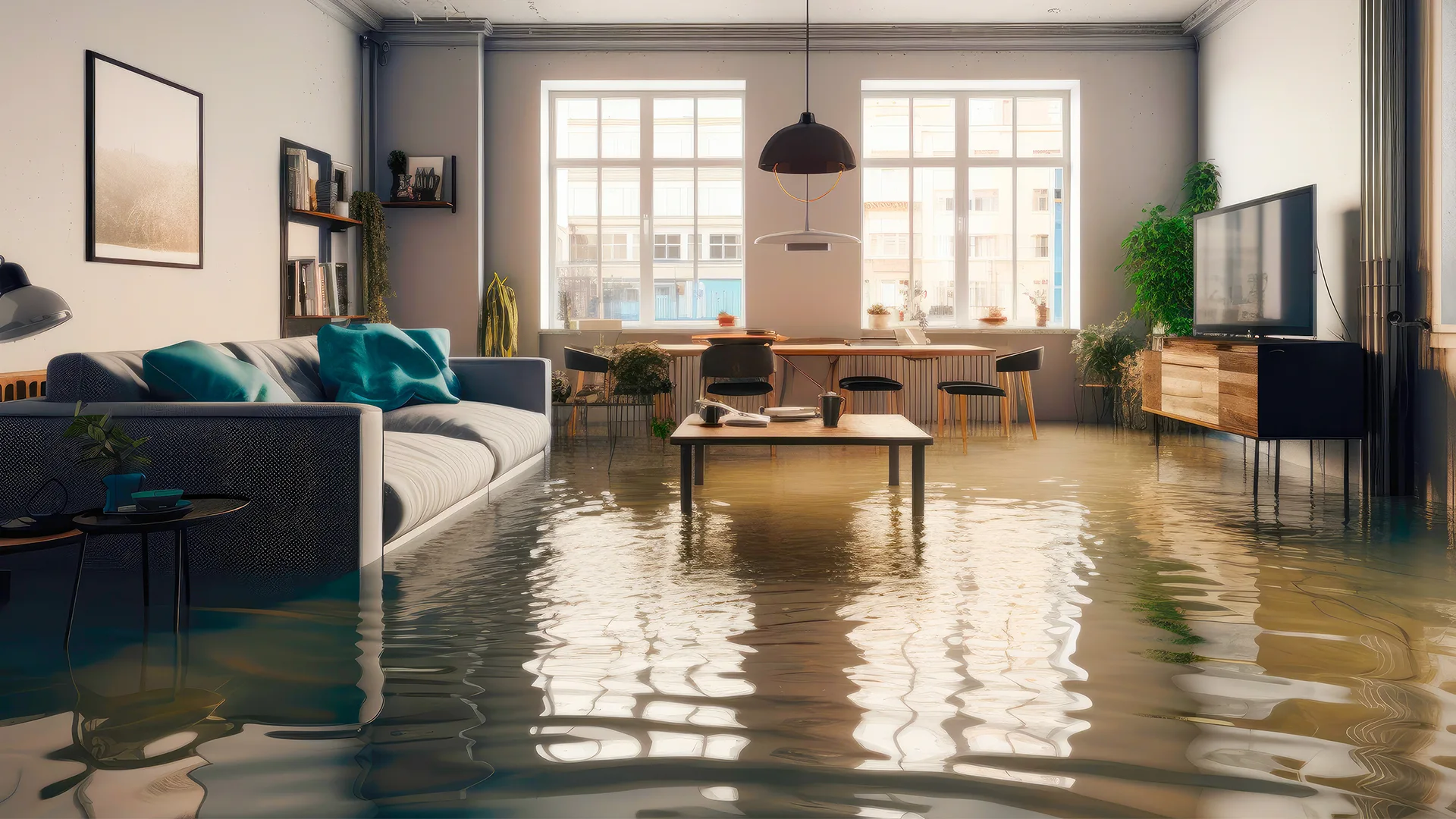
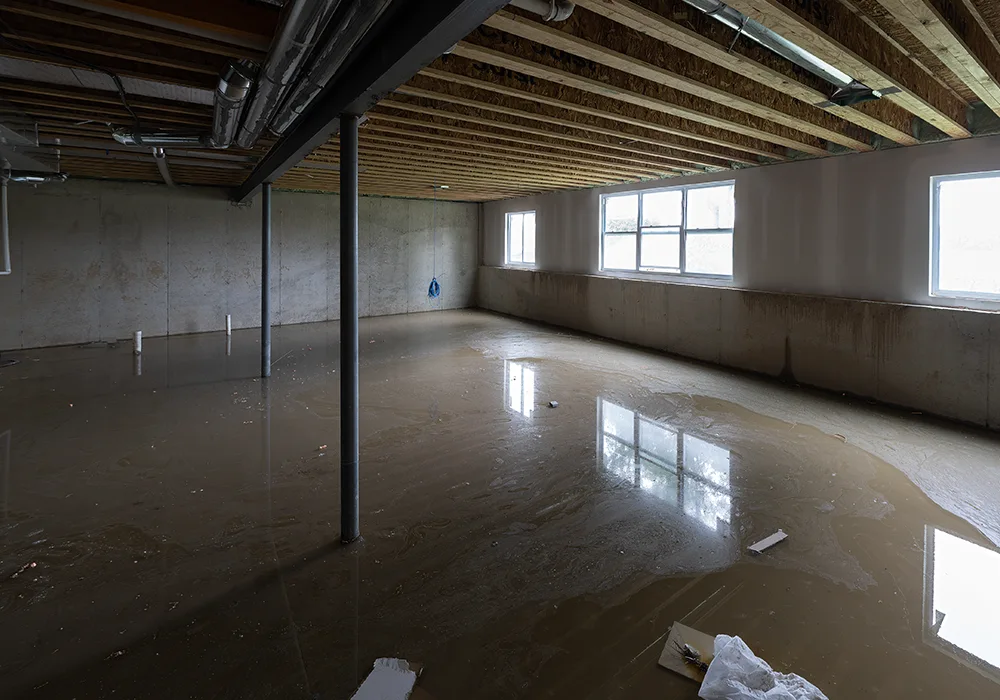
Water Damage Restoration
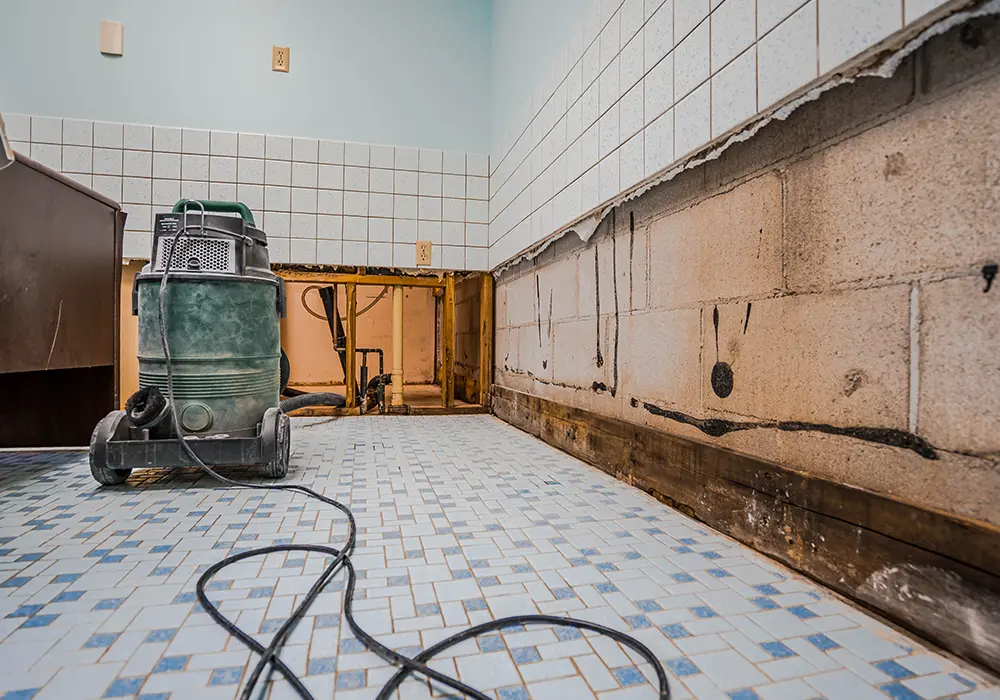

Mold Remediation
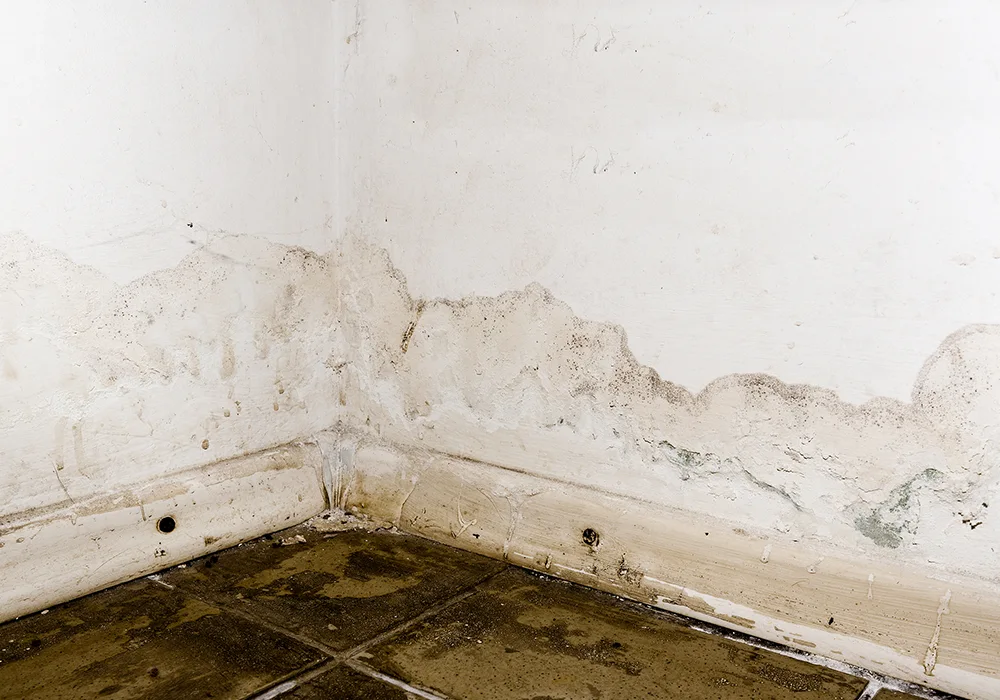
One of the most harmful effects of water damage is mold growth, which can spread rapidly and become very hard to treat. If you’ve had a mold test conducted and found that your home or business does have a new mold issue, call Trustmark as soon as possible. We provide mold remediation services that can tackle even the most widespread growths and create a healthier indoor environment.
Water Removal & Water Damage Mitigation FAQs
Your priority is safety. If it's safe to do so, shut off the water source if the damage is caused by a plumbing issue. Avoid areas where water has come into contact with electrical outlets or appliances, and move valuable belongings away from standing water if you can do so safely. Then, contact Trustmark Restoration as soon as possible so our team can begin water removal and water damage mitigation before the damage spreads.
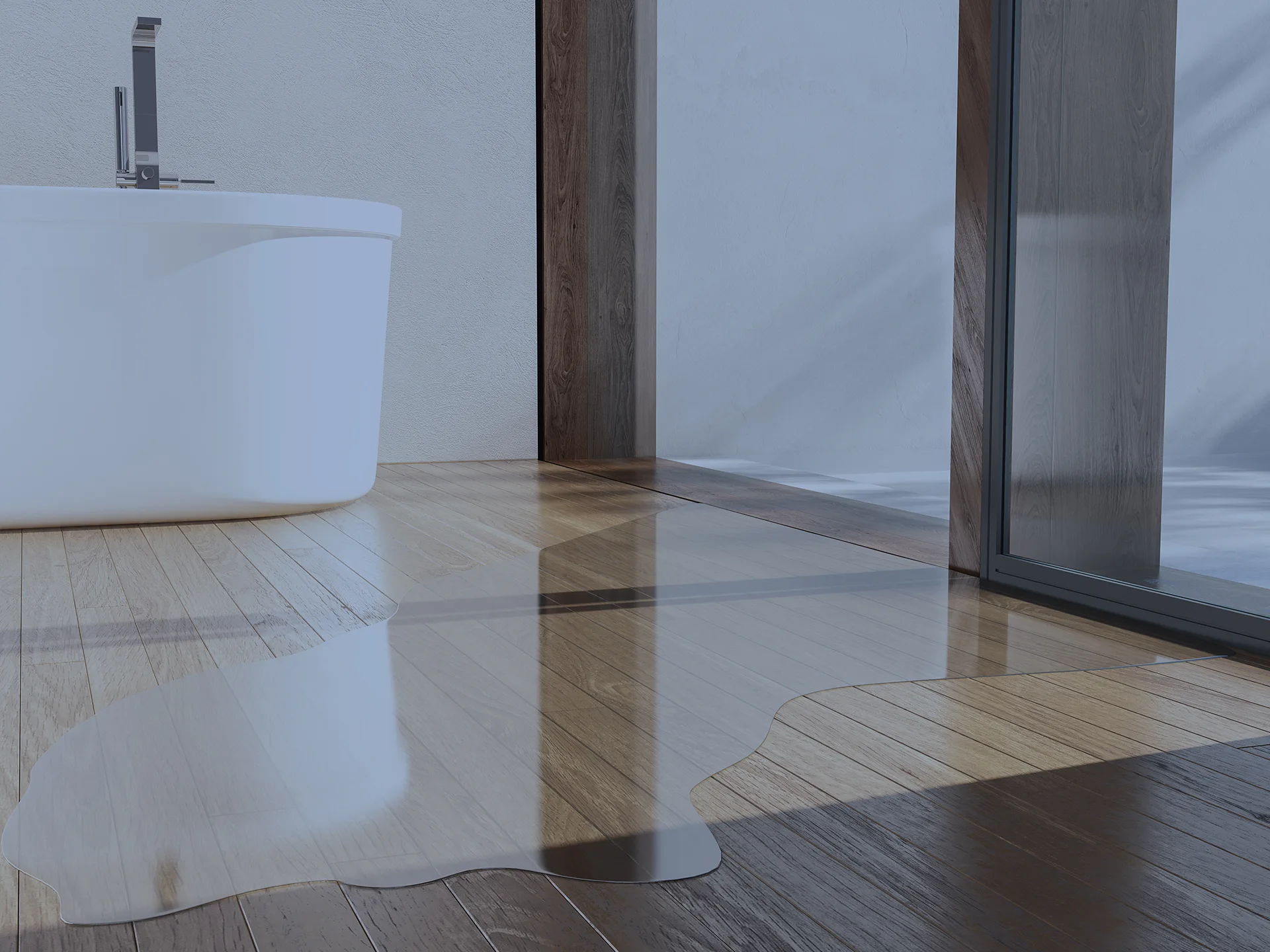
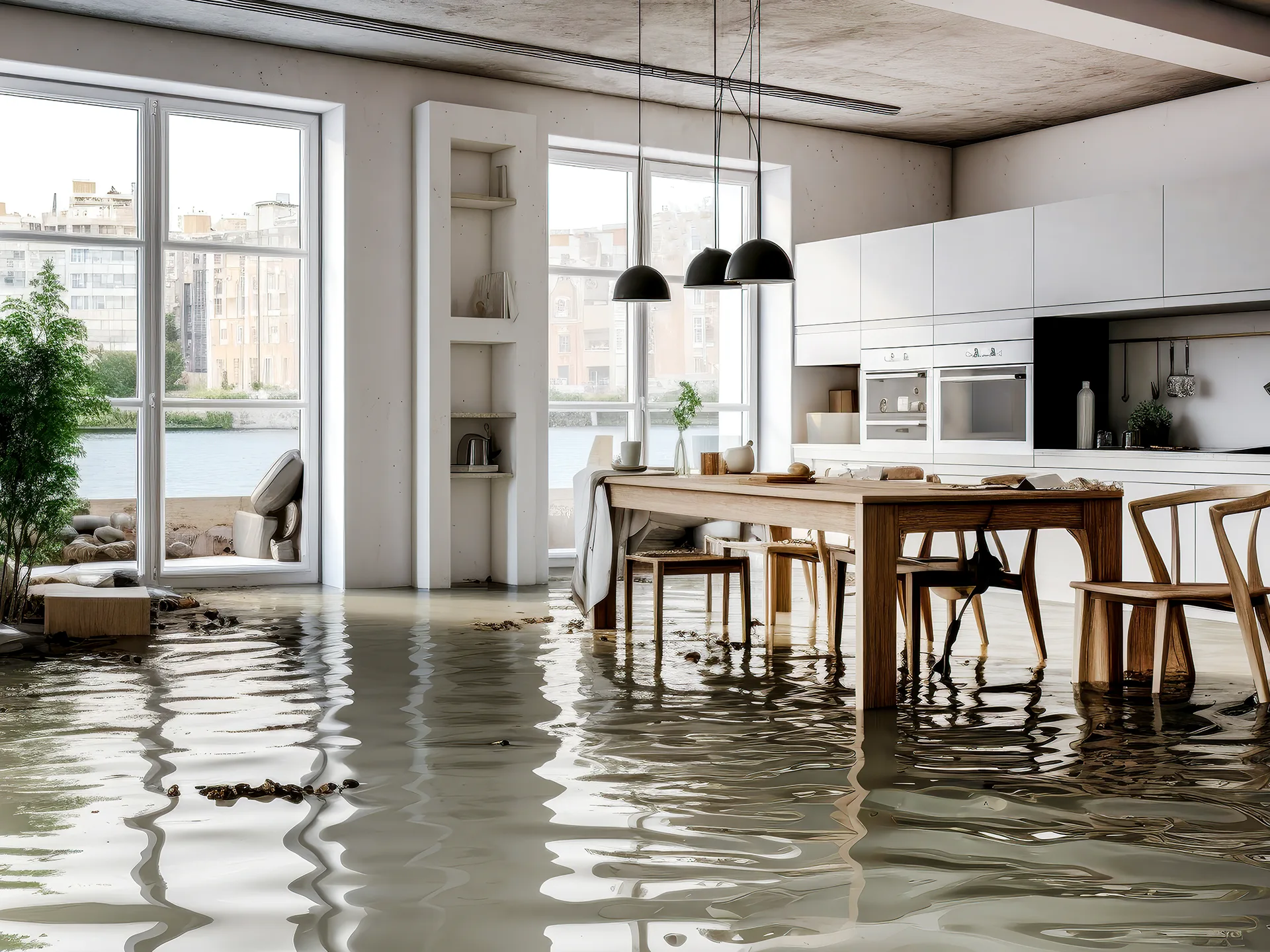
Water should be removed as quickly as possible. Standing water can continue soaking into flooring, drywall, insulation, cabinets, and other building materials. The sooner professionals begin the water removal process, the better the chance of limiting damage and reducing the scope of repairs.
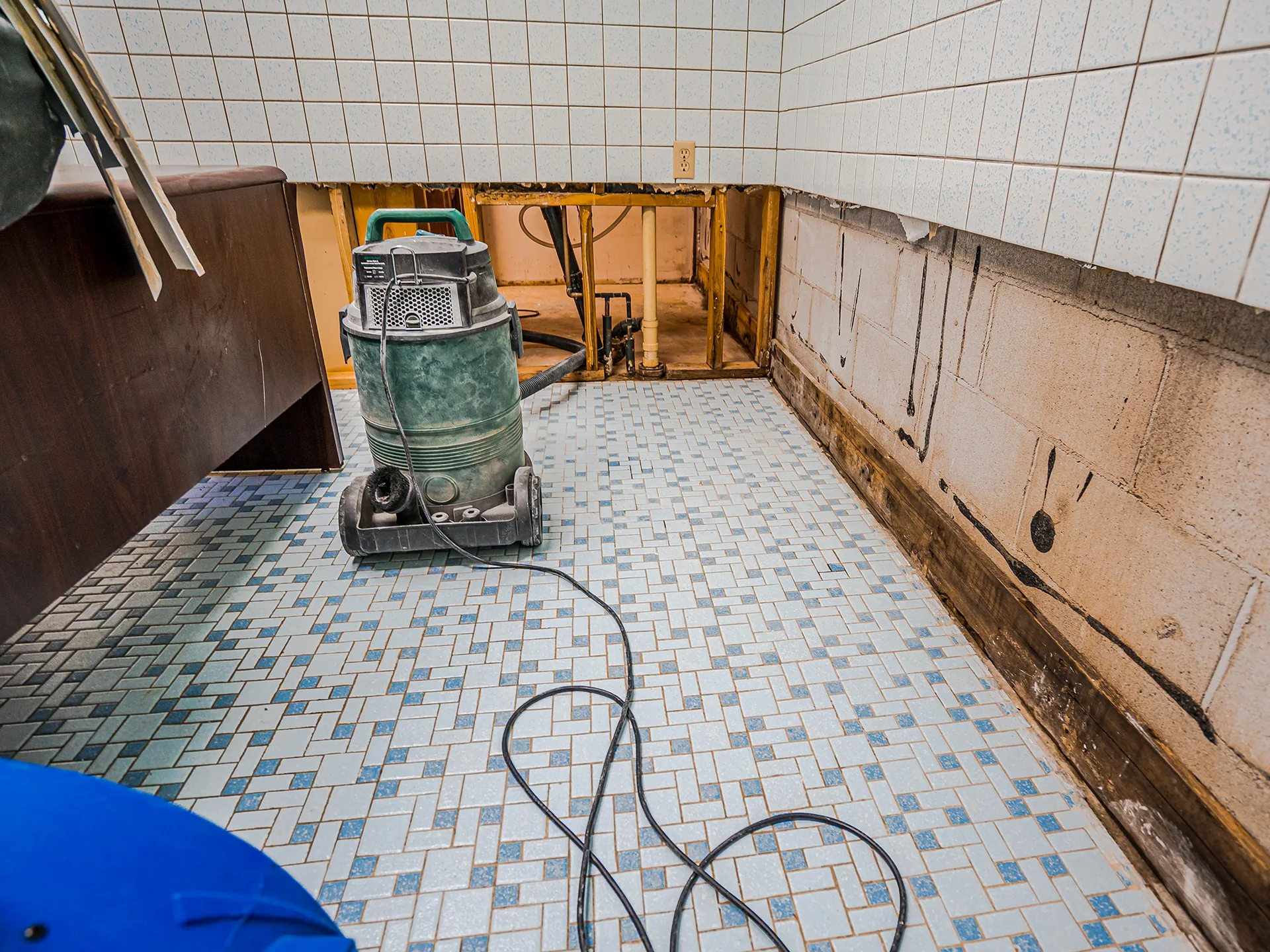
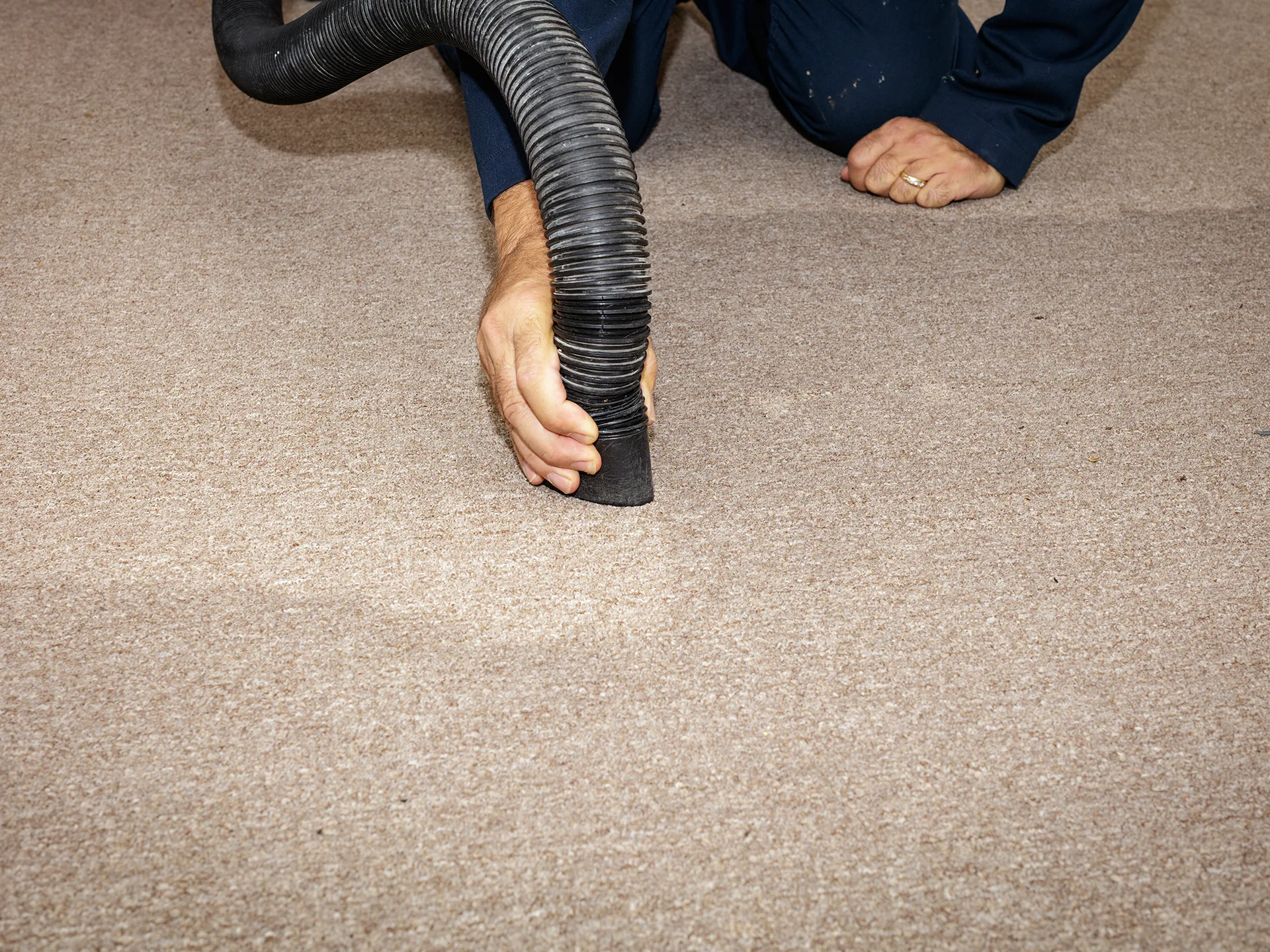
Water removal focuses on extracting standing water from your home using specialized equipment. Water damage mitigation includes everything needed to prevent additional damage after the water is gone. This may involve drying affected materials, removing unsalvageable materials, monitoring moisture levels, and preparing your home for the restoration process.
Water damage can happen for many different reasons. Common causes include burst pipes, leaking plumbing fixtures, overflowing washing machines or dishwashers, water heater failures, roof leaks, heavy rain, frozen pipes, and sewer backups. Regardless of the cause, acting quickly can make a significant difference in the amount of damage your home experiences.
Not all water damage is visible. Moisture can remain behind walls, beneath flooring, inside ceilings, or in crawl spaces long after standing water has been removed. Restoration professionals use moisture meters and thermal imaging equipment to locate hidden moisture that could otherwise go unnoticed.
Every project is different, but the process generally starts with a detailed inspection. The restoration team removes standing water, sets up commercial drying equipment, monitors moisture levels, removes damaged materials that can't be saved, and cleans affected areas when needed. Throughout the process, technicians monitor drying progress and adjust equipment until the property is ready for repairs.
The drying timeline depends on the amount of water, the affected materials, humidity levels, and how quickly mitigation begins. While every situation is unique, many homes require several days of professional drying before repairs can safely begin.
Cleaning up a small spill is one thing, but significant water damage is another. Household fans and shop vacuums often can't remove hidden moisture trapped inside building materials. Professional equipment is designed to remove water more efficiently and dry areas that homeowners may not even realize are affected.
Not necessarily. Some materials can be dried and restored if mitigation begins quickly. Others may need to be removed if they've absorbed too much water or have begun to deteriorate. Trustmark Restoration evaluates every situation individually and recommends the most appropriate solution.
Insurance coverage depends on the cause of the damage and the details of your policy. Many policies cover sudden and accidental water damage, such as a burst pipe, but may not cover damage caused by ongoing leaks or flooding. Trustmark Restoration can document the damage and help you navigate the insurance claim process.
In many cases, yes. During the mitigation process, we evaluate furniture, rugs, and other belongings to determine what can be cleaned, dried, and restored. Acting quickly often improves the chances of saving personal property.
Fast, Expert Remediation Services