What to Do in the First 24 Hours After Fire or Water Damage
Whether you’re dealing with a fire or flooding at your home or business, it can be hard to look ahead and see how you’re going to recover from this incident. But this is not the time to try and predict the future—you need to focus on controlling the things that you can control right now and ensuring your disaster recovery process can at least begin as smoothly as possible.
Your Top Priorities After a Fire or Flood
The steps you take to begin a recovery project 24 hours after a fire will be different than what you may be after a flood, but your top priorities will be the same either way:
- Getting yourself and others to safety
- Documenting the damage
- Filing an insurance claim
- Calling a professional water and fire restoration company
Now, let’s take a closer look at what you should do after each type of disaster:
Fire at Your Home or Business
Once you and anyone else at the building have safely evacuated, plan to stay out of the home or business. Even after the last flame has been extinguished, the smoke and soot created by a fire is toxic and can cause life-threatening health effects. You shouldn’t re-enter the building until your restoration company of choice deems it safe. Make sure that:
- You are safe and uninjured; if you are hurt, seek medical attention right away
- Everyone that was in the building with you is safe and accounted for
- You have a place to stay (if your home was damaged by the fire)
When it’s safe for you to return to the property, document as much of the exterior damage as you can without entering the building. Next, you’ll need to make two calls: one to your insurer, and one to a fire restoration company. If you’d like help with filing your insurance claim, some restoration companies offer professional assistance.
Flooding at Your Home or Business
Depending on the cause and severity of the flooding, you may be able to take more actions to mitigate and document water damage before professionals step in. Here’s what to know:
Flooding Caused by Plumbing Issues
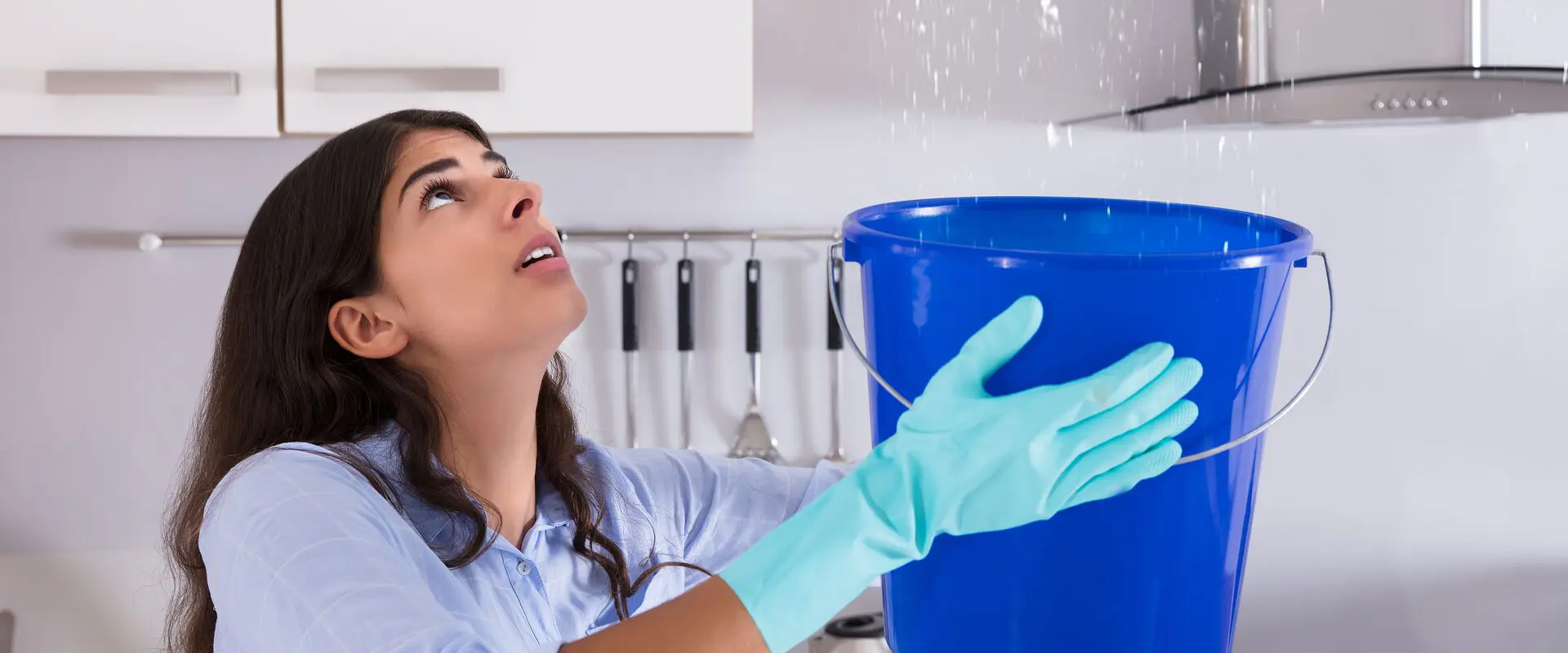
If plumbing is the source of your water damage issue and the flooding is shallow, turn off your home’s electricity before entering the flooded area and then shut off the water main. At this point, you can begin to document all damaged areas, furniture, belongings, and appliances, as well as the level of standing water. You may be able to extract some of the water with a wet/dry vacuum, buckets, and even towels, and you should ventilate the area as much as possible.
Flooding Caused by Storm Damage
Not only can storms quickly cause severe flooding, the water they bring into your home can be heavily contaminated. After you’re able to shut off your home’s electricity, do not enter any flooded areas and do your best to seal off entry points by sealing off windows and doors. Document as much of the damage as you can without risking your health and safety, but call a restoration company to assist you with both documentation and water extraction.
Contact a Trusted Restoration Company Near You
If you’re located in the greater Charlotte, North Carolina area or in a nearby part of South Carolina, Trustmark Restoration is ready to help you with your water and fire damage restoration needs. Schedule the services you need today, and we’ll also provide you with a free estimate.